

Most people think customer profitability begins with spreadsheets.
Margins. Acquisition costs. Retention rates. Lifetime value. Those terms usually take centre stage in business conversations, and fair enough—they matter. Even garage conversion builders in Birmingham think about them when pricing up projects and deciding which jobs make sense to take on. But sometimes the clearest explanation appears somewhere unexpected.
A garage conversion is one of those places.
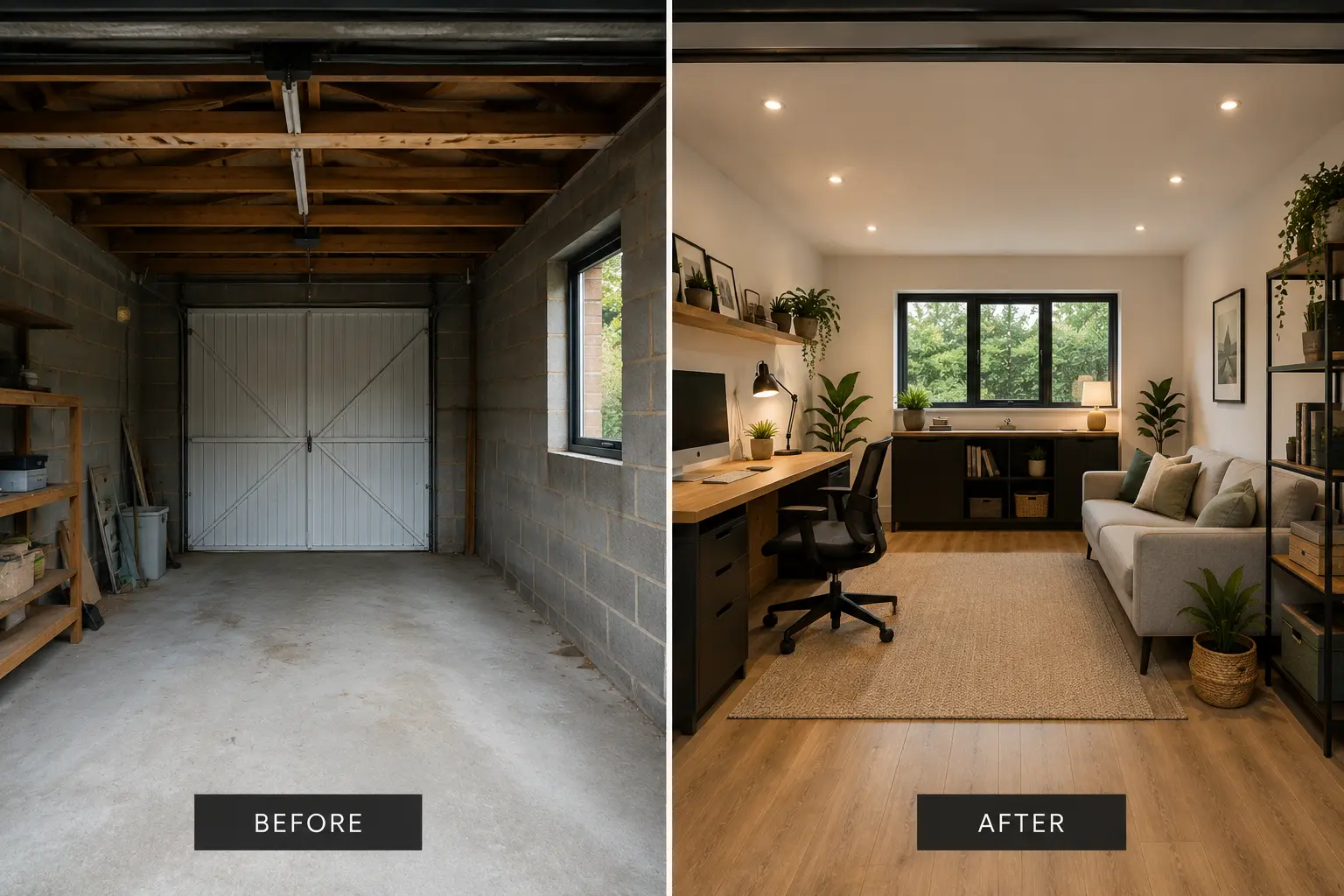
At first glance, garage conversions seem simple. There’s unused space, a plan, a builder, some dust, a few difficult decisions about sockets and insulation, and eventually a finished room. Yet anyone who’s worked with builders in Birmingham knows the reality is less tidy than that.
Some projects become smooth, profitable jobs. Others quietly drain time, energy, and resources long before the plaster dries.
Customer profitability works in much the same way.

Not Every Empty Garage Becomes the Right Room
Here’s the thing.
When a homeowner contacts a garage conversion company, the obvious question is usually: How much is this project worth?
The better question might be: What will this project actually cost to deliver well?
A straightforward single garage conversion with clear requirements and realistic expectations often creates healthy returns. Communication stays easy. Timelines stay sensible. Referrals follow.
But then there’s the opposite scenario.
Constant revisions. Delayed decisions. Scope changes every other week. Extra site visits. Endless emails sent at 10:47pm with “just one more thing.”
Revenue can look healthy on paper while profit quietly disappears.
Businesses experience the same thing with customers.
A large account isn’t automatically a profitable account.
The Birmingham Lesson: Build the Right Space for the Right Person
Garage conversion builders in Birmingham operate in a competitive market. Homeowners want more from existing space—home offices, gyms, snug rooms, rental spaces, places for teenagers who suddenly seem to need twice the square footage.
And because demand exists, there’s always pressure to say yes.
But experienced firms learn something useful: selective growth beats chaotic growth.
That sounds contradictory, doesn’t it? Grow by saying no?
A little, yes.
But profitable companies understand fit.
They ask questions early:
- Is the brief realistic?
- Does the budget match expectations?
- Will communication stay manageable?
- Could this become repeat business or referrals?
Customer profitability works the same way. The most valuable customer isn’t always the one spending the most. Sometimes it’s the customer who buys consistently, communicates clearly, pays on time, and creates almost no operational friction.
That combination is gold.
The Hidden Cost Nobody Sees
Think about converting a garage.
You can’t see insulation once the walls close. You rarely notice structural preparation after the paint goes on. Yet those hidden elements decide whether the room feels warm and solid years later.
Business has invisible costs too.
Support calls.
Extra meetings.
Discount requests.
Internal admin.
Little things pile up. Not dramatically—just steadily, quietly.
And suddenly a customer who looked brilliant in a sales report becomes less attractive when viewed through a profitability lens.
You know what? Most companies already sense this instinctively. They know which customers energise the team and which ones create collective sighs every time a new email arrives.
Data simply confirms what people often already feel.
Build Relationships Like You Build Rooms
Garage conversions aren’t really about garages.
They’re about making space useful.
Customer profitability isn’t really about spreadsheets either. It’s about creating business relationships that generate value without creating unnecessary strain.
The strongest garage conversion businesses in Birmingham understand that balance. They build carefully, plan properly, and leave enough room for growth without stretching every wall.
Businesses can borrow that thinking.
Not every lead becomes a project.
Not every customer becomes profitable.
And oddly enough, that’s not a problem—it’s often the point.